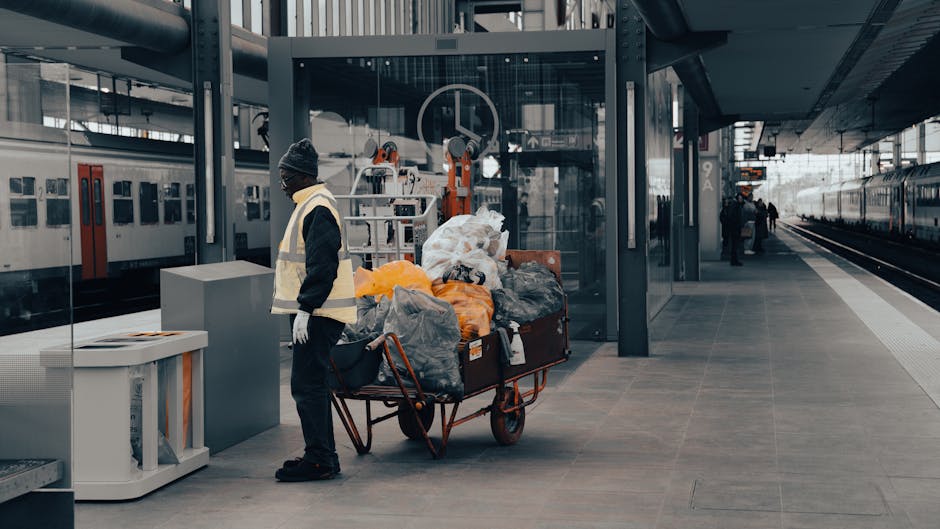
Marylebone Station guide to rubbish removal W1U
If you are trying to sort out clutter, old furniture, or builders' debris near Marylebone Station, you already know the awkward bit is rarely the rubbish itself. It is the time, access, lifts, stairs, loading points, and the general "where on earth do I start?" feeling. This Marylebone Station guide to rubbish removal W1U is here to make the process much clearer. Whether you are clearing a flat, a home office, or a renovation mess, the goal is simple: remove waste safely, legally, and with as little disruption as possible.
In a busy central London location like W1U, rubbish removal is about more than emptying bags into a van. You need the right service for the right material, sensible planning, and a provider that understands access restrictions, mixed waste, and recycling expectations. A rushed approach can quickly turn into extra costs or a missed collection, and nobody needs that on a weekday morning.
This guide covers how rubbish removal around Marylebone Station typically works, what services suit different situations, the mistakes to avoid, and how to choose a practical, trustworthy option. If you want a broader overview of clearance services, you can also explore the site's waste removal and home clearance pages for related support.
Table of Contents
- Why Marylebone Station guide to rubbish removal W1U Matters
- How Marylebone Station guide to rubbish removal W1U Works
- Key Benefits and Practical Advantages
- Who This Is For and When It Makes Sense
- Step-by-Step Guidance
- Expert Tips for Better Results
- Common Mistakes to Avoid
- Tools, Resources and Recommendations
- Law, Compliance, Standards, or Best Practice
- Options, Methods, or Comparison Table
- Case Study or Real-World Example
- Practical Checklist
- Conclusion
- Frequently Asked Questions
Why Marylebone Station guide to rubbish removal W1U Matters
Marylebone Station sits in a part of London where access can be tight, schedules are unforgiving, and space is at a premium. That makes rubbish removal feel slightly more complicated than it does in a suburban driveway. In W1U, you are often dealing with flats, basement properties, office spaces, mews houses, managed buildings, and shared entrances. There may be no convenient parking, no lift for heavy items, and only a narrow window for collection.
So why does a local guide matter? Because the best rubbish removal approach depends on the setting. A few bin bags from a flat are not the same as a post-refurbishment pile of rubble, and neither is the same as clearing a back room packed with broken office furniture. A decent plan saves time, reduces the chance of damage, and helps you avoid unnecessary stress. Truth be told, most problems start with guessing rather than assessing.
Local knowledge also matters for practicality. Around Marylebone Station, timing a collection around traffic, building access, and neighbour considerations can make the difference between a smooth job and a messy one. If your waste includes bulky items, old appliances, or mixed material, the service you choose should be able to separate, load, and remove it properly. That is where a structured, area-aware approach earns its keep.
Expert summary: Near Marylebone Station, the smartest rubbish removal plan is usually the one that balances access, timing, waste type, and recycling potential, rather than simply choosing the cheapest van on the day.
How Marylebone Station guide to rubbish removal W1U Works
At a practical level, rubbish removal in W1U usually follows a fairly straightforward pattern. First, you identify the type and volume of waste. Then you decide whether it is a small collection, a bulk clearance, or something more specialised such as builders' waste or furniture disposal. After that, you arrange a collection time that works for access and loading.
For many people, the main decision is whether to use a man-and-van style collection, a clearance team, or a service that handles a more specific waste stream. If the job is light and the access is simple, a quick collection may be enough. If the property is upstairs, the lift is out, or the waste is awkward and mixed, a more hands-on clearance service is often easier. If you are comparing options, the site's pricing and quotes information can be a helpful starting point.
The removal itself should be tidy and organised. A good team will separate reusable or recyclable materials where possible, handle heavier items with care, and leave the area swept through rather than simply empty. That may sound obvious, but you would be surprised how often it is not done well. A proper job feels calm. No clattering, no drama, no trails of dust through the hallway.
Different waste types may call for different methods. For example, old sofas or wardrobes may fit a furniture clearance approach, while a post-project pile of plasterboard, packaging, and timber might suit builders waste clearance. A small business near the station may prefer business waste removal if it is regular rather than one-off.
Key Benefits and Practical Advantages
The obvious benefit is convenience, but there is more to it than that. A well-handled rubbish removal service in Marylebone Station W1U can save you time, reduce disruption, and make a cramped property feel manageable again. That alone is worth a lot when you are trying to juggle work, family, or a move.
Here are the main practical advantages:
- Fast reclaiming of space: Bags, boxes, old furniture, and renovation debris disappear in one go.
- Less manual labour: You do not have to carry heavy items down stairs or through narrow communal areas.
- Cleaner finish: The site is usually left in better condition than if you tried to shift everything yourself.
- Better sorting: Recyclable materials can be separated from general waste where appropriate.
- Reduced stress: A coordinated collection feels more manageable, especially in busy central London.
There is also a practical safety advantage. Heavy furniture, sharp debris, broken glass, and awkward loads can lead to scrapes, strains, and damage to walls or flooring if you try to rush. A trained removal team knows how to move items carefully. That may sound basic, but when you are navigating a small staircase, it really matters.
For larger household clearances, it can help to look at house clearance or flat clearance options, because these are designed around the sort of mixed, real-life clutter most people actually need removed.
Who This Is For and When It Makes Sense
This kind of rubbish removal support makes sense for a fairly wide range of people. If you live or work near Marylebone Station, you may need it more often than you think. Even a simple spring clean can create more waste than the building bins can comfortably handle. And let's face it, nobody wants a stack of broken furniture living in the hallway for a week.
Typical situations include:
- tenants moving out of a flat or studio
- landlords preparing a property for re-let
- homeowners clearing long-held clutter
- office managers dealing with surplus equipment or furniture
- builders or decorators needing post-project waste cleared
- people sorting garages, lofts, or storage rooms
It also makes sense if you are dealing with items that are simply too awkward for standard bins. Old wardrobes, mattresses, broken shelving, white goods, and mixed bags of renovation waste can all create practical headaches. If you are in a smaller property, you will know the feeling: one pile becomes two, then suddenly the room is just... unavailable. A clearance service can stop that spiral.
For mixed domestic clearances, a loft clearance or garage clearance may be more appropriate than a general collection, because the job often includes a mix of bulky, dusty, forgotten, and oddly heavy items.
Step-by-Step Guidance
If you want a smooth rubbish removal experience near Marylebone Station, a little preparation helps a lot. Here is a simple process that works well in practice.
- Sort the waste by type. Separate general rubbish, furniture, electrical items, green waste, and builders' debris where possible.
- Identify anything delicate or restricted. Hazardous materials, paints, chemicals, and certain electrical items may need special handling.
- Measure access points. Check stair width, lift size, doorway clearance, and whether parking or loading is practical.
- Estimate volume honestly. A vague "not too much" can become an expensive surprise. Be specific if you can.
- Choose the right clearance service. A house clearance, office clearance, or specialist furniture disposal may be better than a generic collection.
- Prepare the items for loading. Move waste to one area if safe to do so, and keep walkways clear.
- Confirm timing and access. In central London, a short window matters. Make sure somebody can meet the team if needed.
- Check what happens after collection. Ask how reusable and recyclable materials are handled.
That last point is easy to overlook. It is often the one that tells you whether the service is tidy and responsible, or just functional. If you care about sustainability - and more people do now, quite rightly - have a look at the company's recycling and sustainability approach before booking.
Expert Tips for Better Results
After enough clearances, you start to see the same patterns. The smoother jobs are rarely the ones where the client did nothing; they are the ones where a few small decisions were made in advance.
Here are a few expert-level tips that genuinely help:
- Book earlier than you think. In a busy area, timing options can tighten quickly, especially for larger jobs.
- Bundle similar items together. Furniture with furniture, bags with bags. It speeds things up and reduces confusion.
- Take photos if the job is tricky. A few clear pictures help explain the access and the volume.
- Leave a clear path to the waste. This saves time and reduces the risk of knocks and scrapes.
- Be honest about awkward items. If there is a piano, a soaked mattress, or a pile of broken tile, say so upfront.
A small but useful habit: keep a "do not remove" corner in the room while sorting. It sounds obvious. It is not. People often throw important paperwork, chargers, and keys into the same mess because the room looks chaotic. One minute you are tidying, the next you are hunting for a passport in a box of old cables. Not ideal.
If the job involves furniture you no longer want, but which is still in decent condition, it may be worth looking at furniture disposal rather than simply thinking in terms of dumping. The right route depends on condition, access, and urgency.
Common Mistakes to Avoid
Most rubbish removal problems are preventable. They tend to come from speed, not malice. Someone underestimates the load, forgets about access, or assumes the service will "just deal with it". Sometimes that works. Often it doesn't.
Avoid these common mistakes:
- Mixing every waste type together. It slows the job and can complicate handling.
- Guessing the volume. A rough estimate is fine, but complete guesswork is not.
- Ignoring access issues. Lifts, locked entrances, and parking restrictions are a big deal in W1U.
- Leaving hazardous items unmentioned. That can create delays and safety problems.
- Choosing purely on price. Cheapest is not always best, especially if the job becomes more complex on arrival.
- Forgetting building rules. Some properties have collection time limits or loading restrictions.
Another mistake is waiting until the clutter becomes a bigger problem than the task itself. It happens quietly. One bag in the corner, a broken chair, a couple of cardboard boxes. Then the room starts feeling smaller every week. If that sounds familiar, you are not alone.
Tools, Resources and Recommendations
You do not need a truckload of equipment to prepare for rubbish removal, but a few practical tools help. A sturdy marker pen, refuse sacks, tape, gloves, and a tape measure are usually enough for most domestic jobs. For heavier or dusty items, a dust sheet or old blanket can protect floors and doorframes. Simple stuff, but it makes a difference.
Useful planning recommendations include:
- Use labels or notes: Mark items as keep, remove, recycle, or donate if you are sorting in stages.
- Photograph awkward pieces: Helpful when asking for an estimate or discussing access.
- Keep paperwork separate: Especially in offices or mixed-use flats.
- Review service pages carefully: Match your waste type to the right service, such as office clearance or builders waste clearance.
It can also help to understand the provider's wider service framework. Pages such as about us, insurance and safety, and health and safety policy give a clearer picture of how seriously the company approaches the work. In a service like this, trust is not fluff. It is part of the job.
Law, Compliance, Standards, or Best Practice
Rubbish removal in the UK is not just about getting rid of unwanted items. It has compliance and duty-of-care implications too. As a rule, waste should be transferred only to an authorised carrier, and the person producing the waste should be comfortable that it will be handled responsibly. In plain English: don't hand your rubbish to someone who cannot explain what happens next.
Best practice usually includes:
- clear identification of waste type before collection
- safe handling of heavy or sharp materials
- separation of recyclable materials where practical
- careful treatment of items that may need special disposal routes
- transparent pricing and clear terms
If you are arranging waste removal for a business premises, it is especially important to keep records and use a service that understands the expectations around commercial waste. For those cases, business waste removal is the more appropriate route.
Insurance and safety matter here too. Waste carried through communal areas, stairwells, or office corridors can create risk if handled poorly. Good practice means protecting floors, avoiding overloading, and respecting the property as you go. That is the standard you want, really.
Options, Methods, or Comparison Table
There is no single "best" rubbish removal method for every Marylebone Station job. It depends on what you are removing, how much there is, and how easy it is to access. The table below gives a simple comparison to help you decide.
| Method | Best for | Strengths | Watch-outs |
|---|---|---|---|
| General rubbish removal | Mixed household clutter, bags, small bulky waste | Quick, simple, flexible | May not suit specialist waste types |
| Flat or house clearance | Full-room or full-property clear-outs | Good for larger jobs, better organisation | Needs accurate access and volume details |
| Furniture disposal | Sofas, tables, wardrobes, mattresses | Ideal for bulky items, less lifting stress | Condition and size can affect handling |
| Builders' waste clearance | DIY and renovation debris | Good for heavy, mixed construction waste | Restricted materials must be declared |
| Office clearance | Desks, chairs, archive clutter, equipment | Useful for business moves and refurbishments | Timing and building access can be tricky |
If you are clearing a smaller property, flat clearance is often the best fit. If you are doing a bigger domestic reset, house clearance or home clearance may be more practical. The key is matching the method to the mess. Simple, but easy to get wrong.
Case Study or Real-World Example
Picture a top-floor flat a short walk from Marylebone Station. The resident has been there for years and has finally decided to clear out a spare room before a move. The room contains a broken chest of drawers, an old mattress, several boxes of books, a desk, lamps, mixed household rubbish, and a few bags of donation items. Nothing unusual, but enough to feel overwhelming.
The first attempt was to "do it later in the week", which is a classic move. By the time the weekend came around, the hallway was narrower, the boxes were heavier, and the lift booking was no longer available. So the job was re-planned properly: waste grouped by type, fragile items separated, loading access checked, and the bulky furniture measured before collection. Much smoother. Less faffing.
The outcome was not dramatic. That is the point. The room was cleared in one visit, the useful items were kept apart from disposal waste, and the resident could actually move the rest of the belongings without working around the pile. A quiet win, but a real one. That is what good rubbish removal should feel like.
Practical Checklist
Use this checklist before booking your collection near Marylebone Station.
- Have I identified the exact type of waste?
- Do I know roughly how much needs removing?
- Have I checked for bulky, heavy, or awkward items?
- Are there any items that need special handling?
- Have I checked access, stairs, lift use, and parking?
- Do I know whether I need general removal, furniture disposal, builders' clearance, or an office service?
- Are fragile items, documents, or valuables set aside?
- Have I reviewed pricing and the service terms?
- Do I understand what happens to recyclable materials?
- Is the collection time realistic for the property and building rules?
If you can tick most of those off, you are in a strong position. If not, no panic - just sort the details before you book. It saves a lot of back-and-forth later.
Get a free quote today and see how much you can save.
Conclusion
Rubbish removal near Marylebone Station W1U does not need to be complicated, but it does need a bit of thought. The best results come from matching the service to the waste, planning around access, and keeping an eye on safety and recycling. Once those pieces are in place, the whole process becomes much easier than people expect.
Whether you are clearing a flat, sorting office clutter, shifting old furniture, or dealing with renovation waste, the sensible approach is the one that reduces hassle and leaves you with a clean, usable space. And honestly, that feeling when the room is finally empty again? Very good indeed.
Take it one step at a time, keep the plan simple, and do not let the clutter win.
Frequently Asked Questions
What does a Marylebone Station rubbish removal service usually cover?
It usually covers the collection and removal of general waste, bulky household items, mixed clutter, and sometimes specialist loads such as furniture or builders' debris, depending on the service chosen.
Is rubbish removal in W1U different from other parts of London?
Yes, mainly because access is often tighter, parking can be limited, and many properties are flats or managed buildings. That makes planning more important than in easier-access areas.
How do I know whether I need rubbish removal or a full clearance?
If you have a small to moderate amount of mixed waste, rubbish removal may be enough. If you are clearing several rooms, a property, or a large storage space, a clearance service is usually a better fit.
Can old furniture be removed as part of the service?
Yes, usually. Sofas, wardrobes, tables, chairs, and mattresses are common items for furniture clearance or furniture disposal, provided access and item condition are clearly explained.
What should I do before the collection team arrives?
Sort items where possible, clear a path, separate valuables and paperwork, and make sure access arrangements are ready. A little preparation can make the job much faster.
Do I need to separate recycling from general waste first?
If you can do so easily, yes. It helps the team work more efficiently. However, many services can sort suitable materials during the removal process as well.
How far in advance should I book rubbish removal near Marylebone Station?
As soon as you know the likely volume and timing. In a busy central area, earlier booking usually gives you more flexibility, especially for larger or more awkward jobs.
What if my flat has no lift?
That is common and usually manageable, but it should be mentioned in advance. Stair access affects labour, timing, and sometimes the service method chosen.
Are builders' materials handled differently from household waste?
Yes. Builders' waste often includes heavier, dustier, or mixed materials, so it is usually better handled under a builders waste clearance service rather than a general rubbish collection.
Can offices near Marylebone Station use the same type of service as homes?
Sometimes, but office waste often benefits from a dedicated office clearance or business waste removal approach because the volume, items, and timing are different.
What should I look for in a trustworthy waste removal provider?
Look for clear pricing, sensible communication, safety awareness, and a clear explanation of how waste is handled after collection. That combination tends to be a very good sign.
Is it worth checking recycling and sustainability information?
Yes, especially if you care about responsible disposal. It is a practical way to understand whether the service is likely to manage waste thoughtfully rather than just shift it quickly.
What is the biggest mistake people make with rubbish removal in W1U?
Underestimating access and volume. Those two things create most of the avoidable problems, and they are usually easy to fix with a bit of planning.
If you are ready to clear the space and move on with your day, the next step is simply to choose the right service, give accurate details, and let the process be easier than you thought it would be.